
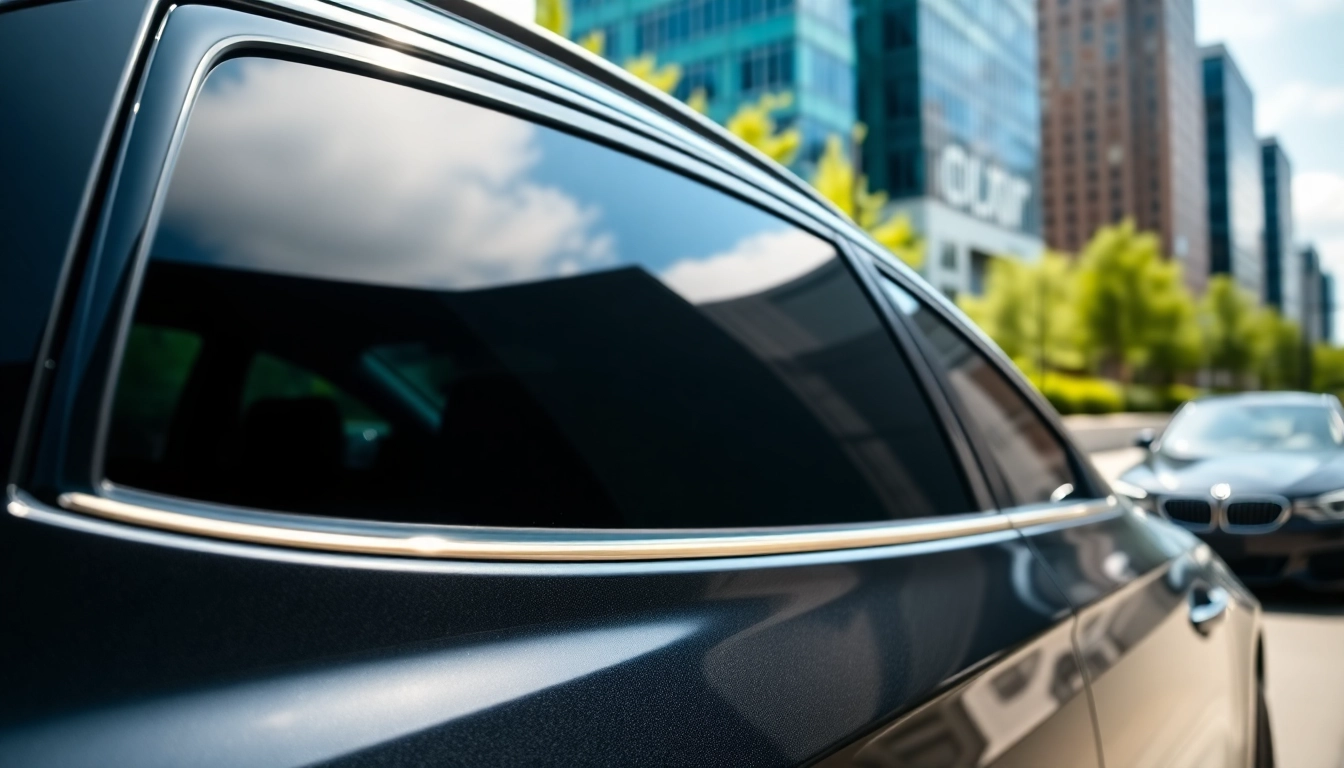
Understanding Window Tinting Options
Window tinting is increasingly becoming a popular choice among vehicle owners, especially in sunny areas like Cleveland, TN. Not only does it elevate the aesthetic appeal of your car, but it also serves a host of practical benefits. From reducing glare to protecting your vehicle’s interior from UV damage, window tinting Cleveland TN offers a significant enhancement to your driving experience. This guide will delve into the various options available, the benefits they offer, and vital information regarding legal regulations in the Cleveland area.
Types of Window Tinting Films
Understanding the types of window tinting films is crucial for selecting the right option for your vehicle. The most common types include:
- Dyed Film: This is one of the most cost-effective options. It uses dye to reduce heat and glare, but it doesn’t offer UV protection.
- Metalized Film: This type incorporates small metallic particles, which not only tint windows but also provide heat reduction and increased durability.
- Carbon Film: This film offers an excellent balance between price and performance. It’s highly effective in blocking UV rays and does not fade over time.
- Ceramic Film: The most advanced option, ceramic tint is non-metallic and provides superior heat rejection while ensuring visibility. It’s more expensive but is the best long-term investment.
Benefits of Window Tinting Cleveland TN
Investing in window tinting comes with a variety of advantages:
- UV Protection: A significant percentage of harmful UV rays can be blocked with proper tinting, protecting both you and your vehicle’s interior.
- Heat Reduction: Tint can reduce interior temperatures significantly, making your car more comfortable, especially during hot summer months.
- Enhanced Privacy: Tinted windows provide a greater level of privacy, helping protect your belongings from prying eyes.
- Glare Reduction: Window tinting can minimize the glare from sunlight, enhancing visibility and comfort while driving.
Legal Regulations for Window Tinting in Cleveland
In Cleveland, TN, it’s important to adhere to specific regulations regarding window tinting to avoid fines and ensure safety. The state law specifies visible light transmittance (VLT) percentages for different windows:
- Windshield: Non-reflective tint is allowed above the manufacturer’s AS-1 line.
- Front Side Windows: Must allow over 35% of light in.
- Back Side and Rear Windows: No restrictions on darkness.
Always check local regulations before proceeding with installation to remain compliant.
Choosing the Right Window Tint Installer
Finding a reputable tint installer is critical in ensuring you receive quality service and a product that lasts. The following tips can guide you in selecting the best service for your window tinting needs:
What to Look for in a Tinting Service
When searching for a window tinting service, consider:
- Experience: Choose a business with a proven track record and numerous satisfied customers.
- Certification: Ensure the technicians are certified and knowledgeable about the regulations and best practices.
- Reviews: Check customer reviews online to gauge overall satisfaction and quality of service.
Getting Estimates: What to Expect
When seeking estimates, be prepared to provide details about your vehicle including its make, model, and any specific tinting preferences. Reputable installers will provide a transparent cost breakdown that includes:
- Material Costs
- Labor Charges
- Any Additional Fees
Questions to Ask Your Installer
Asking the right questions can help clarify your understanding and ensure you’re making an informed decision. Consider the following:
- What types of films do you offer?
- How long will the installation take?
- What warranties do you provide?
- Can you show me examples of previous work?
Cost Factors of Window Tinting Cleveland TN
The cost of window tinting can vary significantly based on various factors. Understanding these can help you set a realistic budget:
Material Quality and Longevity
Higher-quality materials tend to come with higher price tags. While cheaper options may initially appeal to the wallet, investing in premium films can prove beneficial, offering better heat rejection and longer lifespans.
Size and Type of Vehicle Impacting Price
The size of your vehicle plays a significant role in the overall cost of window tinting. Larger vehicles will typically require more material and labor. Additionally, some vehicle types (e.g., SUVs, trucks) may have more complex curves, driving up costs.
Installation Techniques and Their Costs
Different installation techniques can affect pricing as well. Some providers may offer basic installation while others may include additional services like cleanup or protective films. Choosing an installer with experience often leads to better long-term results and fewer issues.
Maintaining Your Window Tint
Successfully maintaining your newly tinted windows is essential for maximizing their lifespan and effectiveness. Here are some tips to consider:
Cleaning Tips for Tinted Windows
To clean tinted windows, use a gentle cleaning solution and a soft cloth or microfiber towel. Avoid any ammonia-based cleaners, as these can degrade the tint over time.
What to Avoid Post-Installation
After installation, avoid rolling down your windows for at least 48 hours. Also, refrain from using any sharp objects or trying to clean the windows aggressively during this period.
Signs Your Tint Needs Replacement
Look out for signs that your tint may need replacement, such as bubbling, fading, or peeling. If you notice these issues, consult a professional to evaluate the condition of your tint.
Frequently Asked Questions about Window Tinting
What are the benefits of window tinting?
Window tinting offers protection from UV rays, reduces heat and glare, enhances privacy, and can improve your vehicle’s aesthetics.
Is window tinting legal in Cleveland?
Yes, but it’s crucial to follow local regulations regarding allowable tint levels for different windows.
How long does window tinting last?
Quality window tint can last anywhere from 5 to 15 years, depending on the type of film and installation quality.
Can you remove window tint once applied?
Yes, window tint can be removed safely, although it’s best done by professionals to avoid damage to the glass.
How do I care for tinted windows?
Care for tinted windows by using mild cleaning solutions and avoiding harsh chemicals that can damage the film.